

Start From an Existing Platform
Existing platform path
Use an existing GEEKO product platform as the starting point and evaluate deeper changes in appearance, structure, configuration or functionality according to the project requirements.

ODM DEVELOPMENT
Turn a product idea, market requirement or existing platform into a manufacturable electric toothbrush through staged ID design, engineering evaluation, prototyping, validation, tooling and production preparation.

Already have a relatively defined product specification and mainly need customization and manufacturing execution? Explore OEM Manufacturing.
Use an existing GEEKO product platform as the starting point and evaluate deeper changes in appearance, structure, configuration or functionality according to the project requirements.
Bring us a product idea, market requirement, reference product or design direction and move through staged product-development evaluation from definition and design toward engineering and manufacturing.

A staged path from idea or market requirement toward a manufacturable product.

01 · Requirement & Product Direction
Define the product direction, target users, target market, key requirements and the depth of product development needed. An ODM project may begin from an existing platform, a modification requirement or a new-product direction.

02 · ID Design & Product Concept
GEEKO can support ID design and product-concept work based on the agreed product direction and user requirements. CAD / 3D work is considered according to the actual project development depth, not as a fixed requirement for every ODM project.

03 · Engineering Feasibility & Structure Development
The product concept is reviewed for structure, manufacturability, component integration and technical feasibility before moving into prototype development.

04 · Prototype Development
After key engineering requirements are defined, prototype work can be arranged for product review and technical validation. Prototype availability, configuration, cost, timing and revision scope are confirmed according to the actual project requirements.

05 · Testing, Validation & Iteration
Prototype results are reviewed against the agreed product requirements. Where necessary, the product can move through further engineering adjustments and validation before production preparation. Existing foundations include temperature and humidity testing and whole-machine life testing.
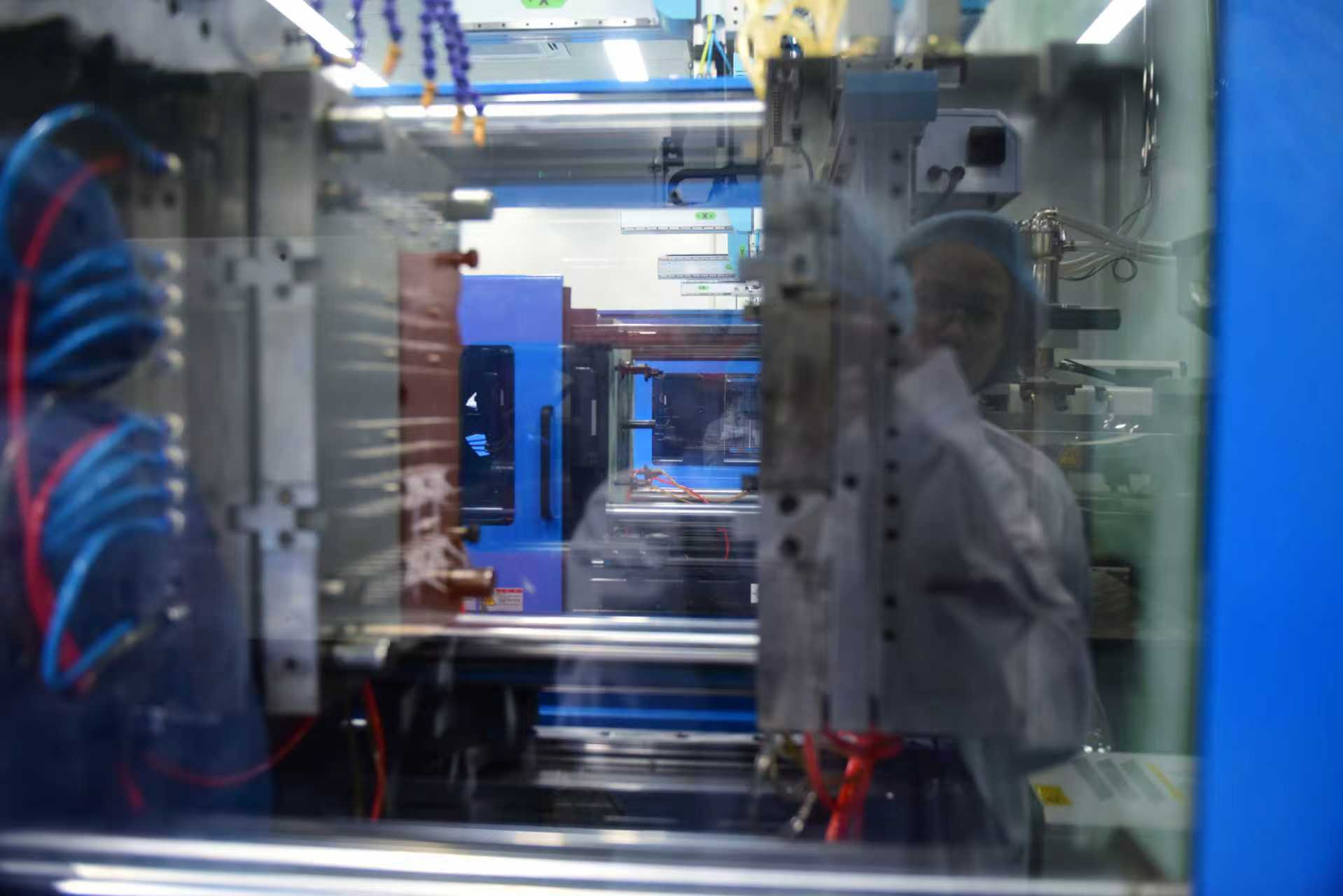
06 · Tooling & Production Preparation
Once the development reaches an appropriate validation stage, tooling and production preparation can begin according to the actual project scope. Not every ODM project requires a new mold.
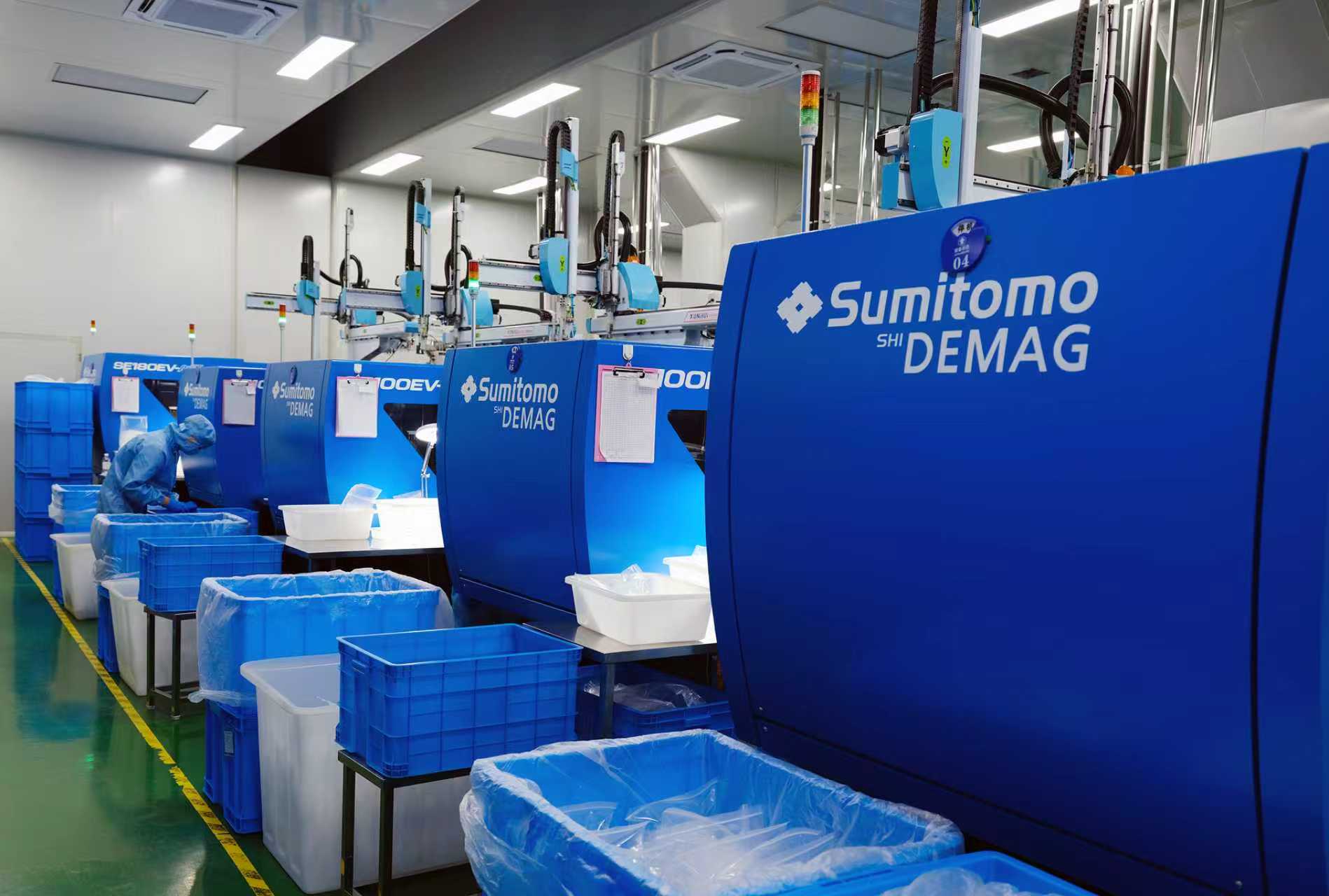
07 · Production Validation, Quality Control & Mass Production
Development results move into production validation, manufacturing, assembly, quality control, applicable testing and batch production according to the confirmed project requirements.

08 · Global Shipping & Delivery Coordination
Final shipment and delivery arrangements are coordinated according to the destination, order terms and agreed logistics requirements.
Advanced electronic, software, sensing or special-function requirements must first be evaluated for technical feasibility, development scope, validation and compliance before any production commitment is made.
GEEKO has confirmed ID design capability supporting product appearance and industrial-design work.
Product-development and R&D capability supports project evaluation and engineering work for oral-care products.
Tooling capability supports project-specific mold development when the product structure requires it.
GEEKO's manufacturing foundation includes injection molding, production, assembly and quality control.
Existing sonic and rotary electric toothbrush platforms can be used as development starting points where applicable.
New appearance concepts and product forms can be evaluated through ID design and product-development work.
Structural modifications can be evaluated through engineering review, prototype work and applicable testing.
Existing GEEKO platforms can be evaluated for deeper changes in configuration, structure, appearance or functionality.
New tooling can be evaluated when the required structure cannot be achieved with the applicable existing solution.
New product functions can enter engineering-feasibility evaluation according to the technical requirements and selected platform.
Engineering Evaluation
Engineering Evaluation
Staged Evaluation
Engineering Evaluation
Engineering Evaluation
Staged Evaluation
Engineering + Safety / Compliance Evaluation
GEEKO combines product development with engineering evaluation, tooling and manufacturing foundations, helping projects move beyond product concepts toward manufacturable products.
Product appearance and industrial-design work can enter the project-specific development path.
Product requirements move through staged product-development evaluation.
Structure, component integration, manufacturability and technical feasibility are reviewed according to the project.
Prototype and validation requirements are evaluated according to the project stage and agreed scope.
Tooling requirements are evaluated where the confirmed product structure requires them.
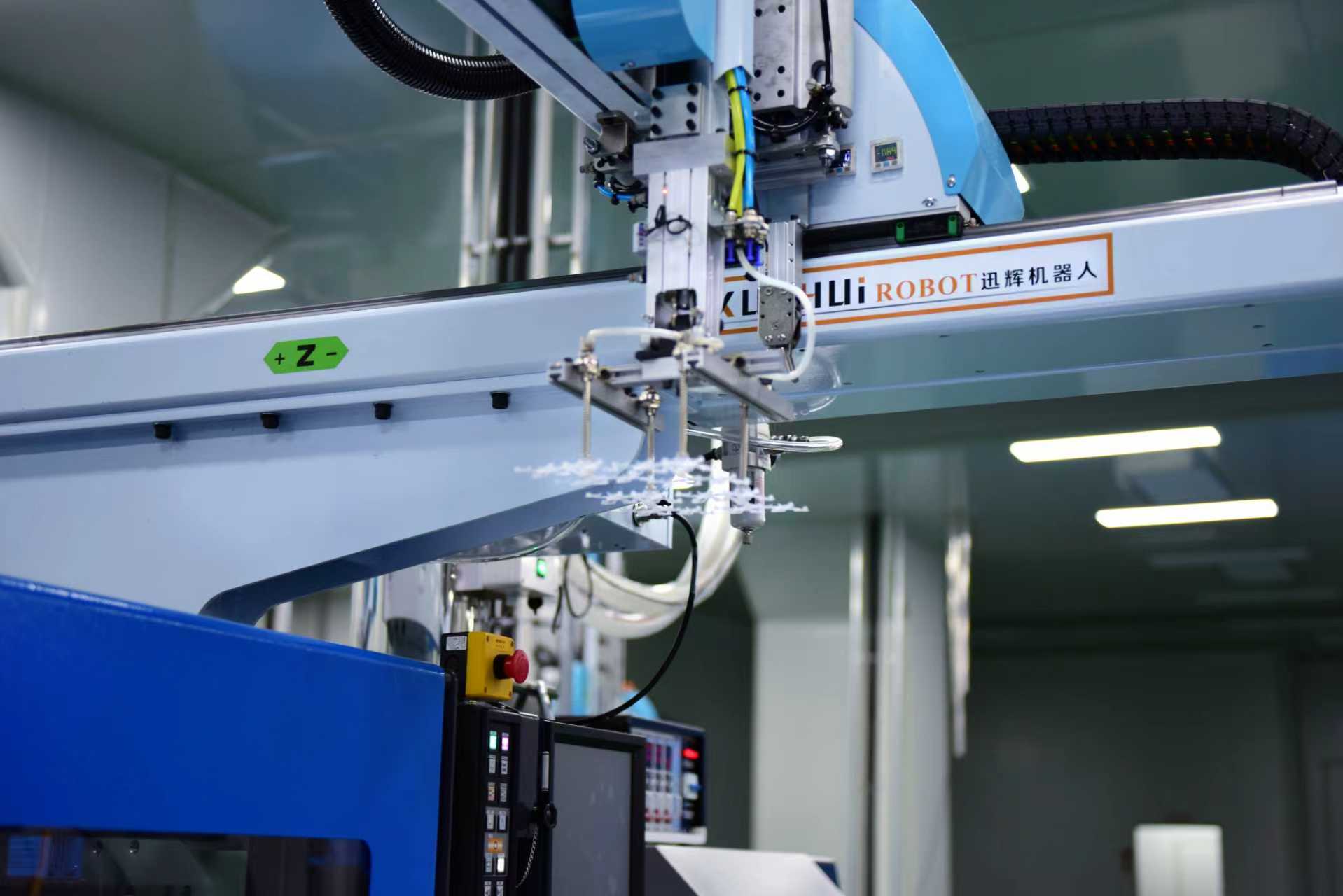
Applicable components can progress into injection molding after the relevant development and tooling requirements are confirmed.
Validated development results can progress toward production, assembly and quality-control preparation.
GEEKO's core R&D team brings more than 20 years of oral-care industry experience to product development and engineering evaluation.
Product development does not stop at appearance design. ID concepts are reviewed together with product structure, manufacturability and the requirements needed to move toward prototyping and production.
Prototype results can be reviewed against the agreed product requirements, with engineering adjustments and further validation carried out where necessary before production preparation. Temperature & humidity testing and whole-machine life testing are part of the existing foundation.
GEEKO combines product development with tooling, injection molding, production, assembly and quality-control foundations, helping development projects move beyond design and toward manufacturable products.
Confirmed existing-product features include Pressure Sensing and Light-Ring Feedback. These examples show product innovation already achieved by GEEKO; they are not customer cases or a promise that any similar function is immediately production-ready.
Confirmed existing-product features include Instant Power Boost, Brush Head Replacement Reminder and Charging Structure. These examples show existing product results, not a customer case or a universal ODM solution.

Complex development requirements are evaluated in stages so technical feasibility, prototype results, validation requirements and manufacturing readiness can be reviewed before the project advances further.
Product concepts, technical requirements and development materials can be reviewed within the agreed project communication process. GEEKO supports NDA / NNN protection where required, with the final confidentiality scope confirmed in the written project agreement.
For fully customized ODM projects, the customer owns the original design IP, and any custom mold paid for by the customer belongs to the customer. For projects based on GEEKO existing ODM platforms, the underlying product design and existing tooling remain GEEKO property. Technical deliverables, use scope and confidentiality terms are confirmed in the written agreement.
Target market and applicable compliance requirements should be considered during product development, with final documentation and applicability confirmed against the specific product, model, market and document scope.
Software, connectivity, data, interface, source-code and maintenance requirements need separate technical and commercial definition when they are part of an ODM project. GEEKO does not generically commit to App, Bluetooth, SDK or source-code delivery; these items are evaluated under a separate technical-scope assessment with confirmed deliverables.
After a developed product enters manufacturing, repeat-production requirements and further product iterations can be discussed according to the actual project needs.
Yes. Existing GEEKO sonic and rotary electric toothbrush platforms can be used as starting points for development evaluation. The level of modification depends on the selected platform and project requirements.
A new-product requirement can enter staged development evaluation covering product definition, ID design, engineering, prototype work, validation, tooling and production preparation. Final feasibility depends on the actual technical and project requirements.
GEEKO has confirmed ID design and product-development capability. Structural development requires project-specific engineering review, prototype work and applicable validation.
Prototype work is arranged according to the development stage and project requirements. Prototype availability, configuration, cost, timing and revision scope are confirmed according to the actual project requirements.
Requirements involving Bluetooth, App, SDK, sensors or other advanced functions are evaluated separately for technical feasibility, development scope, validation and compliance before any production commitment is made.
For fully customized OEM projects, the customer owns the original design IP, and any custom mold paid for by the customer belongs to the customer. For projects based on GEEKO’s existing ODM platforms, the underlying product design and existing tooling remain GEEKO property. Project-specific ownership, technical deliverables and confidentiality terms are confirmed in the written agreement, with NDA / NNN protection available where required.
Target-market compliance requirements are reviewed according to the product, functions and intended market. Final certification or compliance applicability must be confirmed against the specific product and documentation.
Typical ODM development lead time: 60–90 days, depending on the product and customization scope. International logistics is not included.
Share your product concept, reference product, target market, required functions and expected project goals. GEEKO can first review whether the project should proceed from an existing platform, through deeper engineering modification, or as a staged new-product development project.
To help us review the project, you can prepare your product idea or reference product, target user, target market, required functions, available design files or specifications, expected development scope, estimated order volume and target timeline.
With your permission, GEEKO uses Google Analytics 4 to understand website usage and improve the B2B browsing experience. Analytics remains off unless you accept.